

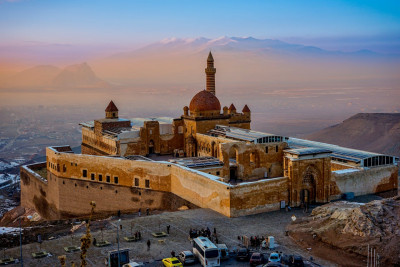
Armenia, located in the South Caucasus region of Eurasia, is a landlocked country known for its rich history, cultural heritage, and breathtaking landscapes. The culture of Armenia is deeply rooted in its ancient history, with influences from various civilizations that have inhabited the region over millennia. Armenian is the official language of Armenia and is spoken by the majority of the population. The Armenian language has its own unique alphabet, which was invented in the 5th century AD and is one of the oldest continuously used alphabets in the world. The official currency of Armenia is the Armenian Dram (AMD), which is subdivided into 100 luma. The dram has been the country's currency since its independence from the Soviet Union in 1991. Armenian culture is characterized by its rich tradition of music, dance, literature, and art. Traditional Armenian music, with its haunting melodies and intricate rhythms, is often accompanied by instruments such as the duduk (a double-reed woodwind instrument) and the kanun (a type of zither). Armenian dance, with its lively and expressive movements, is an integral part of cultural celebrations and festivals. Armenian cuisine is renowned for its flavorful dishes, which feature a variety of meats, grains, vegetables, and herbs. Khorovats (barbecue), dolma (stuffed grape leaves), and lavash (traditional flatbread) are just a few examples of Armenian culinary delights. Armenia's rich cultural heritage is evident in its ancient monasteries, churches, and archaeological sites, many of which are UNESCO World Heritage Sites. The country's stunning landscapes, including the rugged mountains of the Caucasus and the picturesque Lake Sevan, attract visitors from around the world. Despite its turbulent history and challenges, Armenia's culture remains vibrant and resilient, reflecting the strength and spirit of its people.
Country
Armenia
Best Time to Visit
May, June, September, October
Ideal Duration
7 Days Day(s)
