

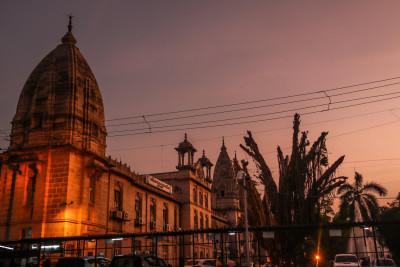
Baroda, officially known as Vadodara, is a vibrant city located in the Indian state of Gujarat. It is known for its rich history, cultural heritage, and educational institutions. Here’s a detailed description of Vadodara: Vadodara has a rich history that dates back to ancient times. It was once the capital of the princely state of Baroda and played a significant role during the Maratha Empire. The city's historical legacy is evident in its palaces, museums, and heritage buildings. One of the most prominent landmarks in Vadodara is the Laxmi Vilas Palace, the residence of the Gaekwad royal family. Built in 1890 by Maharaja Sayajirao Gaekwad III, this grand palace is an architectural marvel, four times the size of Buckingham Palace. It features a blend of Indo-Saracenic, Gothic, and Renaissance styles and is set amidst sprawling gardens. The palace also houses a museum with a rich collection of artifacts, paintings, and sculptures. Sayaji Baug, also known as Kamati Baug, is a sprawling public park established by Maharaja Sayajirao Gaekwad III in 1879. Covering 113 acres, it includes a zoo, an aquarium, a planetarium, a toy train, and the Baroda Museum and Picture Gallery. The park is a popular recreational spot for locals and tourists alike. Located within the Laxmi Vilas Palace complex, the Maharaja Fateh Singh Museum houses an impressive collection of European paintings, sculptures, and artifacts collected by the royal family. The museum also features works by renowned Indian artists like Raja Ravi Varma. Vadodara is known for its prestigious educational institutions, particularly the Maharaja Sayajirao University of Baroda (MSU), established in 1949. MSU is one of the oldest and most esteemed universities in India, offering a wide range of undergraduate, postgraduate, and doctoral programs. The city has a rich cultural heritage, with numerous festivals, fairs, and cultural events celebrated throughout the year. Navratri, the nine-night festival dedicated to the worship of Goddess Durga, is particularly grand in Vadodara, featuring traditional Garba and Dandiya Raas dance performances. Vadodara boasts an array of architectural landmarks, including the Kirti Mandir (a memorial to the Gaekwad rulers), the Nyay Mandir (a historic courthouse), and the EME Temple (a unique temple managed by the Indian Army with a blend of various architectural styles). The city offers vibrant markets and shopping areas, such as Mandvi, Lehripura, and Alkapuri, where visitors can shop for traditional Gujarati handicrafts, textiles, jewelry, and more. Vadodara is also known for its thriving art scene, with numerous galleries and exhibitions showcasing local artists. Vadodara's culinary scene is a delightful mix of traditional Gujarati dishes and diverse Indian and international cuisines. Popular local delicacies include Sev Usal, Farsan (savory snacks), Gujarati Thali, and sweets like Jalebi and Fafda. Vadodara is well-connected by road, rail, and air. The Vadodara Junction railway station is one of the busiest in Gujarat, and the city has an efficient public transportation system. The Vadodara Airport offers flights to major Indian cities. Vadodara serves as a gateway to several nearby attractions, such as the UNESCO World Heritage Site of Champaner-Pavagadh Archaeological Park, the historic town of Bharuch, and the scenic Sardar Patel Planetarium in Kankaria. Overall, Vadodara is a city that beautifully blends its historical grandeur with modern development, offering visitors a rich tapestry of cultural, educational, and recreational experiences.
Country
India
Best Time to Visit
January, February, March, October, November, December
Ideal Duration
n/a
Tourist Visa
You can apply for a tourist visa if you're visiting India for recreation, sightseeing, or to meet friends and relatives. You can also apply for a tourist visa if you're attending a short-term yoga program or medical treatment.
You can apply for an e-visa online.
Mandatory Documents:
1. Passport: Original passport valid for at least 6 months with at least 3 blank visa pages, plus a photocopy of the passport's data page.
2. Photographs: Two passport-size photographs (2x2 inches) glued to the visa application form as per instructions.
3. Visa Application Form: Fill out the Indian Government visa application form online at www.indianvisaonline.gov.in. Ensure your signature matches your passport signature and validate the data with a declaration signature at the bottom of page 2.
Additional Documents (Depending on Applicant's Situation):
• For Applicants of Indian Origin (Born Indian):
o Surrender Certificate or cancelled Indian passport copy or sworn affidavit.
• For Applicants of Indian Origin (Naturalized):
o First passport copy (if issued in India), Nationality Certificate, or sworn affidavit.
• Explanation for Birth in India (if not of Indian origin): Letter in English addressed to consular services explaining details and reasons.
• Parent of Indian Descent Born in France: Statement confirming no previous Indian passport or nationality.
• Joining Specific Organizations in India: Official invitation letter in a sealed envelope from the organization.
• Property Ownership Intention: Letter from Reserve Bank of India granting permission to acquire property and proof of property ownership in India.
• Minor Applicants: French "livret de famille" or birth certificate, ID proof of each parent, and travel authorization letter signed by both parents.
• Dual Nationality: Copy of the second passport.
• Applicants of Pakistani Origin: Reference form as per current nationality and additional documents based on current or previous nationality.
Declaration:
Certification: Acknowledgment of submitting a complete application and acceptance of the minimum processing time required.
Make sure to gather all necessary documents according to your specific situation and follow the guidelines closely to ensure a smooth visa application process. If you have any more questions or need further clarification on any of these requirements, feel free to ask!
Disclaimers
The above list of documents is the standard requirement for the visa application. The Embassy/Consulate/High Commission/Application Centres reserve the right to request additional documents for verification.
Travelspoc does not guarantee the outcome of any visa application. Decisions on visa applications are at the sole discretion of the respective Embassy/Consulate/High Commission.
The official website for applying for an Indian visa is:
