

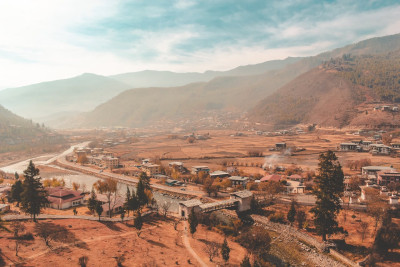
Bhutan, a landlocked country nestled in the eastern Himalayas, is renowned for its stunning landscapes, rich cultural heritage, and unique approach to governance based on the principles of Gross National Happiness (GNH). The culture of Bhutan is deeply influenced by Buddhism, which permeates all aspects of life in the country. Dzongkha is the official language of Bhutan and is spoken by the majority of the population. However, there are also several other languages and dialects spoken in different regions of the country, reflecting its ethnic diversity. The official currency of Bhutan is the Bhutanese Ngultrum (BTN), which is pegged to the Indian Rupee (INR) at par. The Ngultrum is used for all transactions within the country, alongside the Indian Rupee, which is also widely accepted. Bhutanese culture is characterized by its traditional architecture, colorful festivals, and vibrant arts and crafts. Dzong architecture, with its distinctive fortress-like structures, is a prominent feature of Bhutanese towns and cities. Festivals such as the Paro Tsechu and the Thimphu Tshechu are celebrated with masked dances, music, and religious rituals, providing insights into Bhutan's rich cultural heritage. Bhutanese cuisine is influenced by Tibetan, Indian, and Chinese culinary traditions, featuring dishes like ema datshi (chili and cheese stew), phaksha paa (pork with chili), and momo (dumplings). The country's cuisine is known for its use of chili peppers and cheese, as well as its emphasis on fresh, locally sourced ingredients. Bhutan's rich cultural heritage is also evident in its traditional arts and crafts, including thangka painting, wood carving, and weaving. Handcrafted items such as textiles, pottery, and religious artifacts are highly valued and play an important role in Bhutanese culture and identity. The country's stunning natural landscapes, including the majestic Himalayan mountains, pristine rivers, and lush forests, attract tourists from around the world. Bhutan is known for its commitment to environmental conservation and sustainable tourism, with policies in place to preserve its natural heritage for future generations. Despite its small size and relative isolation, Bhutan's culture is vibrant and resilient, reflecting the country's strong sense of identity and commitment to preserving its cultural heritage. The principles of Gross National Happiness, which prioritize the well-being and happiness of its citizens over economic growth, are central to Bhutanese culture and governance, making it a unique and inspiring destination for travelers seeking spiritual enrichment and natural beauty.
Country
Bhutan
Best Time to Visit
March, April, May, September, October, November
Ideal Duration
7 Days Day(s)
Tourist Visa
To visit Bhutan as a tourist, the visa application process varies depending on your nationality.
1. For Nationals of India, Bangladesh, and Maldives
2. For Nationals of Other Countries
Apply online through the Bhutan Immigration Services Portal.
Alternatively, apply via a licensed Bhutanese tour operator or hotel.
Valid passport with at least six months' validity from the intended date of departure.
Recent passport-sized photograph.
Travel insurance.
USD 100 per person per day.
Children aged 6 to 12: 50% discount.
Children below 6 years: Exempted.
Disclaimers
The above list of documents is the standard requirement for the visa application. The Embassy/Consulate/High Commission/Application Centres reserve the right to request additional documents for verification.
Travelspoc does not guarantee the outcome of any visa application. Decisions on visa applications are at the sole discretion of the respective Embassy/Consulate/High Commission.
Visa Application Centres and Embassy Information
