

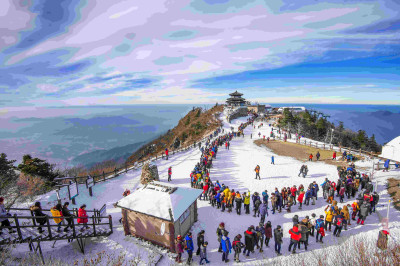
Jammu and Kashmir (J&K) is a union territory located in the northernmost part of India, bordered by Himachal Pradesh and Punjab to the south, Ladakh to the east, and Azad Kashmir and Gilgit-Baltistan (Pakistan-administered territories) to the west and north. Jammu and Kashmir is characterized by its diverse topography, which includes the rugged Himalayan mountains, lush valleys, meandering rivers, and pristine lakes. The region is divided into three main geographical zones: Jammu, Kashmir Valley, and Ladakh. Each zone offers unique landscapes and experiences, ranging from fertile plains and orchards in Jammu to the breathtaking peaks and valleys of Kashmir and the arid high-altitude terrain of Ladakh. Jammu and Kashmir is renowned for its rich cultural heritage, influenced by a blend of Hindu, Muslim, and Buddhist traditions. The region is home to diverse ethnic groups, including Kashmiris, Dogras, Ladakhis, and Gujjars, each with their own distinct customs, languages, and cuisines. This cultural diversity is reflected in the vibrant festivals, music, dance, and cuisine that characterize life in J&K. Jammu and Kashmir boasts a wealth of tourist attractions, ranging from historical landmarks and religious sites to natural wonders and adventure destinations. Some of the must-visit places include the Mughal gardens of Srinagar, the Dal Lake, Gulmarg ski resort, Vaishno Devi shrine, Amarnath Cave, Leh Palace, Pangong Lake, and Nubra Valley, among others. The region's breathtaking landscapes and cultural landmarks attract millions of visitors from around the world each year. Jammu and Kashmir has been a region of geopolitical significance due to its territorial disputes and conflict between India and Pakistan. The region has witnessed periods of unrest and insurgency, leading to heightened security measures and occasional travel advisories. In August 2019, the Indian government revoked the special autonomous status of Jammu and Kashmir and bifurcated the state into two union territories: Jammu and Kashmir, and Ladakh. The economy of Jammu and Kashmir is predominantly agrarian, with agriculture, horticulture, and animal husbandry being the primary sources of livelihood for a majority of the population. The region is also known for its handicrafts, particularly Kashmiri carpets, Pashmina shawls, papier-mâché artifacts, and saffron cultivation. Tourism plays a significant role in the economy, providing employment and income opportunities to locals. The climate of Jammu and Kashmir varies significantly across its different regions. While the Jammu region experiences a subtropical climate with hot summers and mild winters, the Kashmir Valley has a temperate climate with cold winters and pleasant summers. Ladakh, on the other hand, has a cold desert climate characterized by extreme temperatures and low precipitation. Despite its challenges, Jammu and Kashmir remain a land of unparalleled natural beauty, cultural richness, and spiritual significance, captivating visitors with its timeless allure and hospitality.
Country
India
Best Time to Visit
March, April, May, June, July, August
Ideal Duration
n/a
Tourist Visa
You can apply for a tourist visa if you're visiting India for recreation, sightseeing, or to meet friends and relatives. You can also apply for a tourist visa if you're attending a short-term yoga program or medical treatment.
You can apply for an e-visa online.
Mandatory Documents:
1. Passport: Original passport valid for at least 6 months with at least 3 blank visa pages, plus a photocopy of the passport's data page.
2. Photographs: Two passport-size photographs (2x2 inches) glued to the visa application form as per instructions.
3. Visa Application Form: Fill out the Indian Government visa application form online at www.indianvisaonline.gov.in. Ensure your signature matches your passport signature and validate the data with a declaration signature at the bottom of page 2.
Additional Documents (Depending on Applicant's Situation):
• For Applicants of Indian Origin (Born Indian):
o Surrender Certificate or cancelled Indian passport copy or sworn affidavit.
• For Applicants of Indian Origin (Naturalized):
o First passport copy (if issued in India), Nationality Certificate, or sworn affidavit.
• Explanation for Birth in India (if not of Indian origin): Letter in English addressed to consular services explaining details and reasons.
• Parent of Indian Descent Born in France: Statement confirming no previous Indian passport or nationality.
• Joining Specific Organizations in India: Official invitation letter in a sealed envelope from the organization.
• Property Ownership Intention: Letter from Reserve Bank of India granting permission to acquire property and proof of property ownership in India.
• Minor Applicants: French "livret de famille" or birth certificate, ID proof of each parent, and travel authorization letter signed by both parents.
• Dual Nationality: Copy of the second passport.
• Applicants of Pakistani Origin: Reference form as per current nationality and additional documents based on current or previous nationality.
Declaration:
Certification: Acknowledgment of submitting a complete application and acceptance of the minimum processing time required.
Make sure to gather all necessary documents according to your specific situation and follow the guidelines closely to ensure a smooth visa application process. If you have any more questions or need further clarification on any of these requirements, feel free to ask!
Disclaimers
The above list of documents is the standard requirement for the visa application. The Embassy/Consulate/High Commission/Application Centres reserve the right to request additional documents for verification.
Travelspoc does not guarantee the outcome of any visa application. Decisions on visa applications are at the sole discretion of the respective Embassy/Consulate/High Commission.
The official website for applying for an Indian visa is:
