

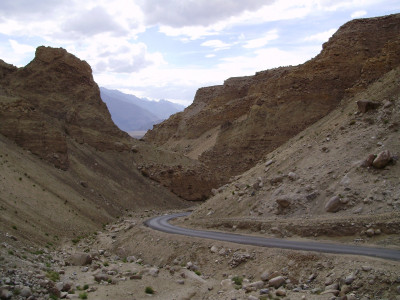
Ladakh, often referred to as "The Land of High Passes," is a region in the northernmost part of India, nestled amidst the mighty Himalayas and the Karakoram Range. It is known for its breathtaking landscapes, ancient monasteries, vibrant culture, and adventure opportunities. Ladakh is situated in the Indian state of Jammu and Kashmir and shares borders with Tibet to the east, Pakistan to the west, and the Indian states of Himachal Pradesh and Punjab to the south. The region is characterized by high-altitude deserts, barren mountains, deep valleys, and azure lakes, creating a surreal and mesmerizing environment. Culture and Heritage: Ladakh is renowned for its rich cultural heritage, influenced by Tibetan Buddhism. The region is dotted with ancient monasteries, stupas, and prayer flags, which reflect the spiritual essence of the land. The people of Ladakh, predominantly of Tibetan and Indo-Aryan descent, are warm and hospitable. They celebrate various festivals like Losar (Tibetan New Year), Hemis Festival, and Ladakh Festival with great fervor, showcasing their vibrant traditions through music, dance, and rituals. Monasteries and Spiritual Sites: Ladakh is home to numerous monasteries, some of which are perched atop cliffs or nestled in remote valleys. Key monasteries include Hemis Monastery, Thiksey Monastery, Diskit Monastery, Spituk Monastery, and Lamayuru Monastery. These monasteries not only serve as centers of religious learning and meditation but also boast magnificent architecture, ancient artifacts, and panoramic views of the surrounding landscapes. Natural Wonders: Ladakh is renowned for its unparalleled natural beauty. It is adorned with majestic mountains, rugged terrain, high-altitude lakes, and verdant valleys. Pangong Lake, located at an altitude of over 4,000 meters, is one of the most iconic attractions, renowned for its ever-changing shades of blue and spectacular scenery. Other notable natural wonders include Tso Moriri Lake, Nubra Valley, Zanskar Valley, Magnetic Hill, and the surreal landscapes of the Changthang Plateau. Adventure Activities: Ladakh offers a plethora of adventure activities for adrenaline enthusiasts. Popular activities include trekking, river rafting, mountain biking, camel safaris in the cold deserts of Nubra Valley, and motorbiking expeditions along the rugged mountain roads. The region's challenging terrain and high-altitude passes, including Khardung La and Chang La, attract adventure seekers from around the world. Challenges and Conservation: Despite its breathtaking beauty, Ladakh faces environmental challenges such as water scarcity, land degradation, and climate change impacts. Efforts are underway to promote sustainable tourism practices and preserve the fragile ecosystem of the region. Ladakh's unique blend of natural beauty, cultural richness, and adventure opportunities makes it a bucket-list destination for travelers seeking awe-inspiring experiences in the lap of the Himalayas.
Country
India
Best Time to Visit
March, April, May, June, July
Ideal Duration
n/a
Tourist Visa
You can apply for a tourist visa if you're visiting India for recreation, sightseeing, or to meet friends and relatives. You can also apply for a tourist visa if you're attending a short-term yoga program or medical treatment.
You can apply for an e-visa online.
Mandatory Documents:
1. Passport: Original passport valid for at least 6 months with at least 3 blank visa pages, plus a photocopy of the passport's data page.
2. Photographs: Two passport-size photographs (2x2 inches) glued to the visa application form as per instructions.
3. Visa Application Form: Fill out the Indian Government visa application form online at www.indianvisaonline.gov.in. Ensure your signature matches your passport signature and validate the data with a declaration signature at the bottom of page 2.
Additional Documents (Depending on Applicant's Situation):
• For Applicants of Indian Origin (Born Indian):
o Surrender Certificate or cancelled Indian passport copy or sworn affidavit.
• For Applicants of Indian Origin (Naturalized):
o First passport copy (if issued in India), Nationality Certificate, or sworn affidavit.
• Explanation for Birth in India (if not of Indian origin): Letter in English addressed to consular services explaining details and reasons.
• Parent of Indian Descent Born in France: Statement confirming no previous Indian passport or nationality.
• Joining Specific Organizations in India: Official invitation letter in a sealed envelope from the organization.
• Property Ownership Intention: Letter from Reserve Bank of India granting permission to acquire property and proof of property ownership in India.
• Minor Applicants: French "livret de famille" or birth certificate, ID proof of each parent, and travel authorization letter signed by both parents.
• Dual Nationality: Copy of the second passport.
• Applicants of Pakistani Origin: Reference form as per current nationality and additional documents based on current or previous nationality.
Declaration:
Certification: Acknowledgment of submitting a complete application and acceptance of the minimum processing time required.
Make sure to gather all necessary documents according to your specific situation and follow the guidelines closely to ensure a smooth visa application process. If you have any more questions or need further clarification on any of these requirements, feel free to ask!
Disclaimers
The above list of documents is the standard requirement for the visa application. The Embassy/Consulate/High Commission/Application Centres reserve the right to request additional documents for verification.
Travelspoc does not guarantee the outcome of any visa application. Decisions on visa applications are at the sole discretion of the respective Embassy/Consulate/High Commission.
The official website for applying for an Indian visa is:
