

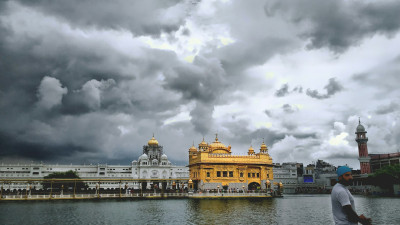
Punjab, located in the northwestern part of India, is a vibrant state known for its rich cultural heritage, fertile lands, and warm hospitality. Here are some key aspects of Punjab: Land of Five Rivers: Punjab, which translates to "Land of Five Rivers" in Persian, is named after the five major rivers that flow through the region: the Beas, Chenab, Jhelum, Ravi, and Sutlej. These rivers contribute to the state's fertile plains, making Punjab one of India's most agriculturally productive regions. Cultural Heritage: Punjab is famous for its vibrant culture, which is deeply rooted in its history, traditions, and religion. The state is known for its lively folk music and dance forms, including Bhangra and Giddha, which are often performed during festivals and celebrations. The Punjabi language, known for its lyrical and expressive qualities, is widely spoken in the region. Sikhism: Punjab is the spiritual heartland of Sikhism, a monotheistic religion founded by Guru Nanak Dev Ji in the 15th century. The Golden Temple (Harmandir Sahib) in Amritsar is the holiest Sikh shrine and attracts millions of pilgrims from around the world. Other important Sikh historical sites include Anandpur Sahib and Takht Sri Patna Sahib. Cuisine: Punjabi cuisine is known for its rich and flavorful dishes, characterized by the use of spices, ghee (clarified butter), and dairy products. Staple foods include roti (flatbread), dal (lentils), sabzi (vegetable dishes), and various types of meat, including tandoori chicken and butter chicken. Punjabi cuisine is also famous for its street food, such as chole bhature, samosas, and pakoras. Hospitality: Punjabis are renowned for their warmth and hospitality. Guests are treated with great respect and are often welcomed with open arms and delicious food. The concept of "Langar," or community kitchen, is central to Sikhism, where free meals are served to all visitors, regardless of caste, creed, or religion, at Sikh temples. Industrial and Economic Hub: Punjab is one of India's most industrialized states, with a diverse economy that includes agriculture, manufacturing, and services. The state is known for its textile industry, as well as industries such as agriculture machinery, pharmaceuticals, and information technology. Historical and Religious Sites: In addition to the Golden Temple, Punjab is home to several other historical and religious sites, including: Jallianwala Bagh in Amritsar, a memorial to the victims of the Jallianwala Bagh massacre. Wagah Border near Amritsar, where the daily flag-lowering ceremony between India and Pakistan takes place. Sheesh Mahal in Patiala, a magnificent palace known for its intricate mirror work. Festivals and Celebrations: Punjab celebrates a number of festivals with great enthusiasm and fervor. Some of the major festivals include Baisakhi (harvest festival), Diwali (festival of lights), Lohri (winter solstice festival), and Guru Nanak Jayanti (birth anniversary of Guru Nanak Dev Ji). Overall, Punjab is a culturally rich and diverse state that offers visitors a glimpse into its colorful traditions, delicious cuisine, and hospitable people.
Country
India
Best Time to Visit
January, February, March, October, November, December
Ideal Duration
n/a
Tourist Visa
You can apply for a tourist visa if you're visiting India for recreation, sightseeing, or to meet friends and relatives. You can also apply for a tourist visa if you're attending a short-term yoga program or medical treatment.
You can apply for an e-visa online.
Mandatory Documents:
1. Passport: Original passport valid for at least 6 months with at least 3 blank visa pages, plus a photocopy of the passport's data page.
2. Photographs: Two passport-size photographs (2x2 inches) glued to the visa application form as per instructions.
3. Visa Application Form: Fill out the Indian Government visa application form online at www.indianvisaonline.gov.in. Ensure your signature matches your passport signature and validate the data with a declaration signature at the bottom of page 2.
Additional Documents (Depending on Applicant's Situation):
• For Applicants of Indian Origin (Born Indian):
o Surrender Certificate or cancelled Indian passport copy or sworn affidavit.
• For Applicants of Indian Origin (Naturalized):
o First passport copy (if issued in India), Nationality Certificate, or sworn affidavit.
• Explanation for Birth in India (if not of Indian origin): Letter in English addressed to consular services explaining details and reasons.
• Parent of Indian Descent Born in France: Statement confirming no previous Indian passport or nationality.
• Joining Specific Organizations in India: Official invitation letter in a sealed envelope from the organization.
• Property Ownership Intention: Letter from Reserve Bank of India granting permission to acquire property and proof of property ownership in India.
• Minor Applicants: French "livret de famille" or birth certificate, ID proof of each parent, and travel authorization letter signed by both parents.
• Dual Nationality: Copy of the second passport.
• Applicants of Pakistani Origin: Reference form as per current nationality and additional documents based on current or previous nationality.
Declaration:
Certification: Acknowledgment of submitting a complete application and acceptance of the minimum processing time required.
Make sure to gather all necessary documents according to your specific situation and follow the guidelines closely to ensure a smooth visa application process. If you have any more questions or need further clarification on any of these requirements, feel free to ask!
Disclaimers
The above list of documents is the standard requirement for the visa application. The Embassy/Consulate/High Commission/Application Centres reserve the right to request additional documents for verification.
Travelspoc does not guarantee the outcome of any visa application. Decisions on visa applications are at the sole discretion of the respective Embassy/Consulate/High Commission.
The official website for applying for an Indian visa is:
