

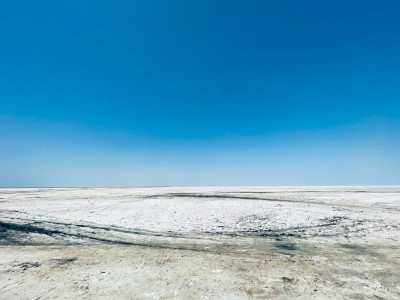
The Rann of Kutch is one of Gujarat's most unique and mesmerizing destinations, known for its vast, white salt desert landscape and cultural vibrancy. Here's an in-depth look at what makes the Rann of Kutch a special place: The Rann of Kutch is one of the largest salt deserts in the world, covering an area of approximately 30,000 square kilometers. The landscape is strikingly beautiful, especially during the full moon nights when the white salt crust glows under the moonlight. The region is divided into the Great Rann and the Little Rann. The Great Rann is known for its endless white desert, while the Little Rann is famous for its wildlife, particularly the Indian Wild Ass Sanctuary. Rann Utsav annual festival, held during the winter months, showcases the cultural richness of Kutch. Visitors can experience traditional music, dance, handicrafts, and local cuisine. The festival also offers adventure activities like camel safaris and hot-air ballooning. The Rann of Kutch is renowned for its traditional crafts, including Bandhani (tie-dye), embroidery, leatherwork, and pottery. Villages like Bhujodi and Ajrakhpur are famous for their artisans. The Little Rann of Kutch is home to the Indian Wild Ass Sanctuary, which protects the endangered Indian wild ass (Khur). The sanctuary also hosts a variety of migratory birds, including flamingos, pelicans, and cranes. The coastal areas of Kutch, like the Marine National Park in the Gulf of Kutch, are rich in marine biodiversity, including coral reefs, dolphins, and various marine species. Dholavira, One of the most significant Harappan civilization sites, Dholavira offers insights into ancient urban planning and water conservation techniques. The excavated site includes a well-planned city with reservoirs, step wells, and intricate drainage systems. Kutch Museum is Located in Bhuj, the Kutch Museum is the oldest museum in Gujarat and showcases the history, culture, and anthropology of the Kutch region, including ancient artifacts and folk arts. Visitors can witness the traditional methods of salt farming practiced by the Agariya community, who harvest salt from the desert. Exploring the Rann on a camel or jeep safari offers a unique way to experience the vastness and beauty of the salt desert. Makar Sankranti also known as Uttarayan, this festival is celebrated with fervor in the Rann of Kutch, marked by kite flying and traditional festivities. Navratri,The nine-night festival dedicated to Goddess Durga features vibrant Garba and Dandiya Raas dances, which are especially lively in the villages of Kutch. During the Rann Utsav, temporary tent cities are set up to accommodate visitors, providing comfortable stays with modern amenities amidst the desert landscape. The region offers various accommodation options, from traditional Bhunga houses to luxury resorts, providing an immersive cultural experience. The Rann of Kutch is a destination that captivates travelers with its unique landscape, rich cultural heritage, and vibrant traditions. Whether it's the allure of the white salt desert, the colorful festivals, or the intricate handicrafts, the Rann of Kutch offers a truly unforgettable experience.
Country
India
Best Time to Visit
January, February, October, November, December
Ideal Duration
n/a
Tourist Visa
You can apply for a tourist visa if you're visiting India for recreation, sightseeing, or to meet friends and relatives. You can also apply for a tourist visa if you're attending a short-term yoga program or medical treatment.
You can apply for an e-visa online.
Mandatory Documents:
1. Passport: Original passport valid for at least 6 months with at least 3 blank visa pages, plus a photocopy of the passport's data page.
2. Photographs: Two passport-size photographs (2x2 inches) glued to the visa application form as per instructions.
3. Visa Application Form: Fill out the Indian Government visa application form online at www.indianvisaonline.gov.in. Ensure your signature matches your passport signature and validate the data with a declaration signature at the bottom of page 2.
Additional Documents (Depending on Applicant's Situation):
• For Applicants of Indian Origin (Born Indian):
o Surrender Certificate or cancelled Indian passport copy or sworn affidavit.
• For Applicants of Indian Origin (Naturalized):
o First passport copy (if issued in India), Nationality Certificate, or sworn affidavit.
• Explanation for Birth in India (if not of Indian origin): Letter in English addressed to consular services explaining details and reasons.
• Parent of Indian Descent Born in France: Statement confirming no previous Indian passport or nationality.
• Joining Specific Organizations in India: Official invitation letter in a sealed envelope from the organization.
• Property Ownership Intention: Letter from Reserve Bank of India granting permission to acquire property and proof of property ownership in India.
• Minor Applicants: French "livret de famille" or birth certificate, ID proof of each parent, and travel authorization letter signed by both parents.
• Dual Nationality: Copy of the second passport.
• Applicants of Pakistani Origin: Reference form as per current nationality and additional documents based on current or previous nationality.
Declaration:
Certification: Acknowledgment of submitting a complete application and acceptance of the minimum processing time required.
Make sure to gather all necessary documents according to your specific situation and follow the guidelines closely to ensure a smooth visa application process. If you have any more questions or need further clarification on any of these requirements, feel free to ask!
Disclaimers
The above list of documents is the standard requirement for the visa application. The Embassy/Consulate/High Commission/Application Centres reserve the right to request additional documents for verification.
Travelspoc does not guarantee the outcome of any visa application. Decisions on visa applications are at the sole discretion of the respective Embassy/Consulate/High Commission.
The official website for applying for an Indian visa is:
