








Travelspoc
destination-details

Explore Andaman and Nicobar Islands

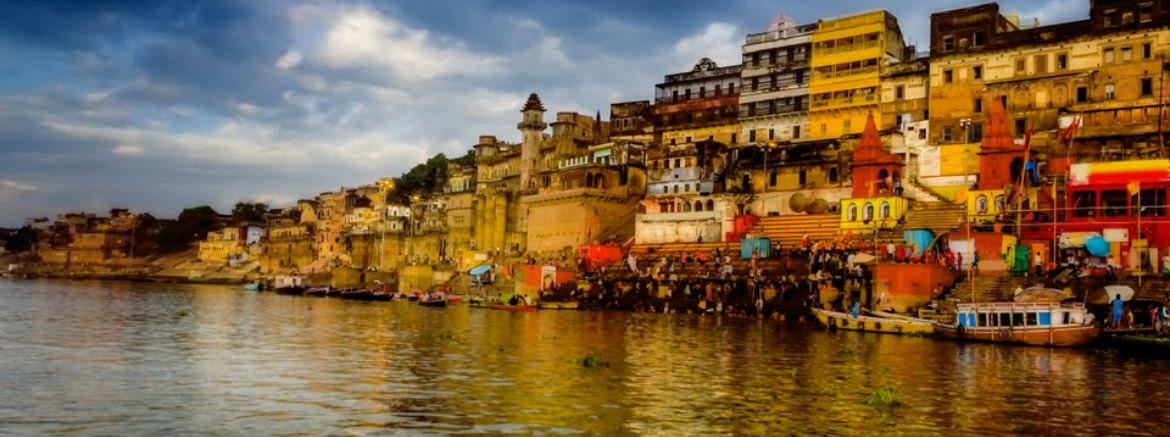
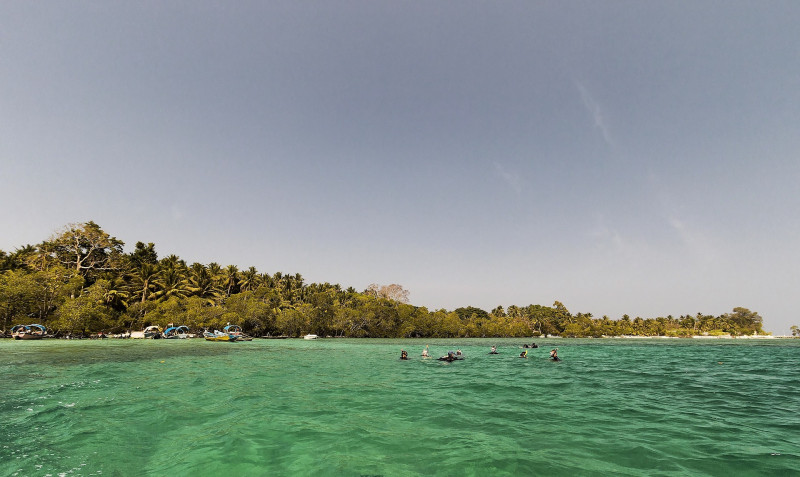
The Andaman and Nicobar Islands, located in the Bay of Bengal, are a group of over 500 islands, out of which only a few are inhabited. This archipelago is known for its stunning natural beauty, diverse ecosystems, rich cultural heritage, and historical significance. Here's a comprehensive description: The Andaman and Nicobar Islands are situated between the southeastern coast of India and the western coast of Myanmar (Burma). The archipelago is divided into two groups: the Andaman Islands to the north and the Nicobar Islands to the south. These islands are characterized by lush tropical rainforests, pristine beaches, mangrove-lined creeks, and crystal-clear waters. The Andaman and Nicobar Islands are renowned for their rich biodiversity, harboring numerous endemic species of flora and fauna. The dense forests are home to a variety of wildlife, including the Andaman wild pig, Andaman horseshoe bat, Nicobar megapode, saltwater crocodile, and numerous bird species. The surrounding marine waters are teeming with colorful coral reefs, diverse fish species, sea turtles, dolphins, and even occasional sightings of whales. The indigenous populations of the Andaman and Nicobar Islands include various tribes such as the Jarawas, Sentinelese, Great Andamanese, Onge, and Shompen. These tribes have inhabited the islands for thousands of years and have their distinct languages, cultures, and traditions. Additionally, the islands have been influenced by Indian, Southeast Asian, and colonial cultures, resulting in a diverse and vibrant cultural tapestry. The Andaman and Nicobar Islands have a tumultuous history, having been used as a penal colony by the British during the colonial era. The Cellular Jail in Port Blair, known as "Kala Pani" (Black Waters), was used to imprison freedom fighters and political prisoners. Today, it stands as a symbol of India's struggle for independence and serves as a national memorial. The Andaman and Nicobar Islands are a popular tourist destination, attracting visitors from around the world with their natural beauty and adventurous activities. Highlights include exploring pristine beaches like Radhanagar Beach on Havelock Island, snorkeling and scuba diving at vibrant coral reefs, trekking through lush rainforests, and visiting historical sites such as Ross Island and the Japanese bunkers at Wandoor. The main entry point to the Andaman and Nicobar Islands is the capital city of Port Blair, which is well-connected to major cities in India by air and sea. From Port Blair, visitors can travel to other islands in the archipelago via ferries, seaplanes, and helicopters. Overall, the Andaman and Nicobar Islands offer a unique blend of natural beauty, cultural heritage, and adventure, making them a paradise for travelers seeking an off-the-beaten-path destination with plenty to explore and discover.

Overview

  • Country

    India

  • Best Time to Visit

    January, February, March, April, May, October, November, December

  • Ideal Duration

    n/a

Visa Rules

Last updated: 2025-04-23 03:41:06

Tourist Visa

You can apply for a tourist visa if you're visiting India for recreation, sightseeing, or to meet friends and relatives. You can also apply for a tourist visa if you're attending a short-term yoga program or medical treatment.

 You can apply for an e-visa online. 

Mandatory Documents:

1. Passport: Original passport valid for at least 6 months with at least 3 blank visa pages, plus a photocopy of the passport's data page.

2. Photographs: Two passport-size photographs (2x2 inches) glued to the visa application form as per instructions.

3. Visa Application Form: Fill out the Indian Government visa application form online at www.indianvisaonline.gov.in. Ensure your signature matches your passport signature and validate the data with a declaration signature at the bottom of page 2.

Additional Documents (Depending on Applicant's Situation):
For Applicants of Indian Origin (Born Indian):

o Surrender Certificate or cancelled Indian passport copy or sworn affidavit.

For Applicants of Indian Origin (Naturalized):

o First passport copy (if issued in India), Nationality Certificate, or sworn affidavit.

Explanation for Birth in India (if not of Indian origin): Letter in English addressed to consular services explaining details and reasons.

Parent of Indian Descent Born in France: Statement confirming no previous Indian passport or nationality.

Joining Specific Organizations in India: Official invitation letter in a sealed envelope from the organization.

Property Ownership Intention: Letter from Reserve Bank of India granting permission to acquire property and proof of property ownership in India.

Minor Applicants: French "livret de famille" or birth certificate, ID proof of each parent, and travel authorization letter signed by both parents.

Dual Nationality: Copy of the second passport.

Applicants of Pakistani Origin: Reference form as per current nationality and additional documents based on current or previous nationality.

Declaration:

Certification: Acknowledgment of submitting a complete application and acceptance of the minimum processing time required.

Make sure to gather all necessary documents according to your specific situation and follow the guidelines closely to ensure a smooth visa application process. If you have any more questions or need further clarification on any of these requirements, feel free to ask!

Disclaimers

The above list of documents is the standard requirement for the visa application. The Embassy/Consulate/High Commission/Application Centres reserve the right to request additional documents for verification.

Travelspoc does not guarantee the outcome of any visa application. Decisions on visa applications are at the sole discretion of the respective Embassy/Consulate/High Commission.


The official website for applying for an Indian visa is:


logo image
back to top